The Reverse Side of the Visible
-
展览
"The Reverse Side of the Visible"
from Friday, October 2, 2026 to Saturday, October 31, 2026
Galerie XII Paris
Galerie XII is pleased to present The Reverse Side of the Visible, a group exhibition bringing together gallery artists and invited artists from a range of disciplines.
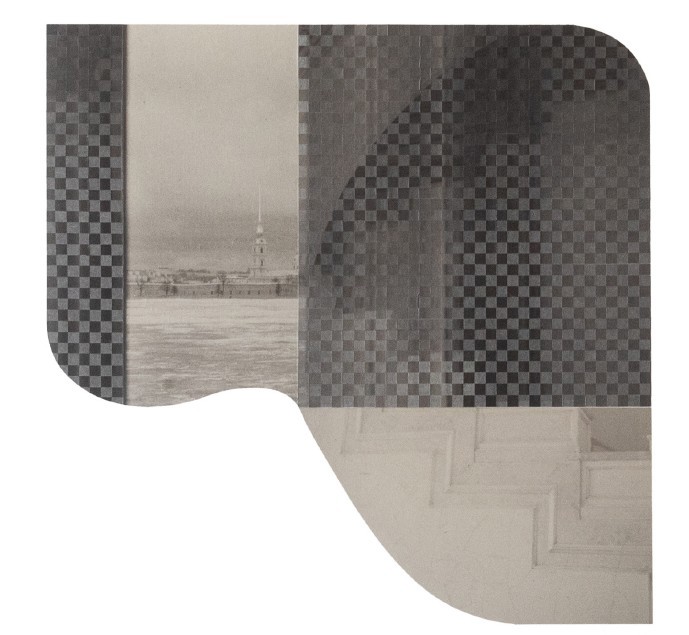
By placing contemporary photography in dialogue with painting, sculpture, textile art, and drawing, the exhibition explores what remains of a gesture once it is no longer visible. Through imprints, layers, and transformations, the works reveal the forms of persistence that inhabit both matter and images.
Long regarded as an imprint of reality, photography maintains a unique relationship with the notion of trace. Yet, unlike other disciplines, it does not always reveal the gesture that produced it. Contemporary photography redefines this relationship: manipulated, embroidered, cut, or enhanced, it becomes the site of a sensitive intervention in its own right. In conversation with other artistic practices, photography emerges not merely as a recording medium, but as a space where the remnants of gesture become manifest, even when they seem to have disappeared. In her work,
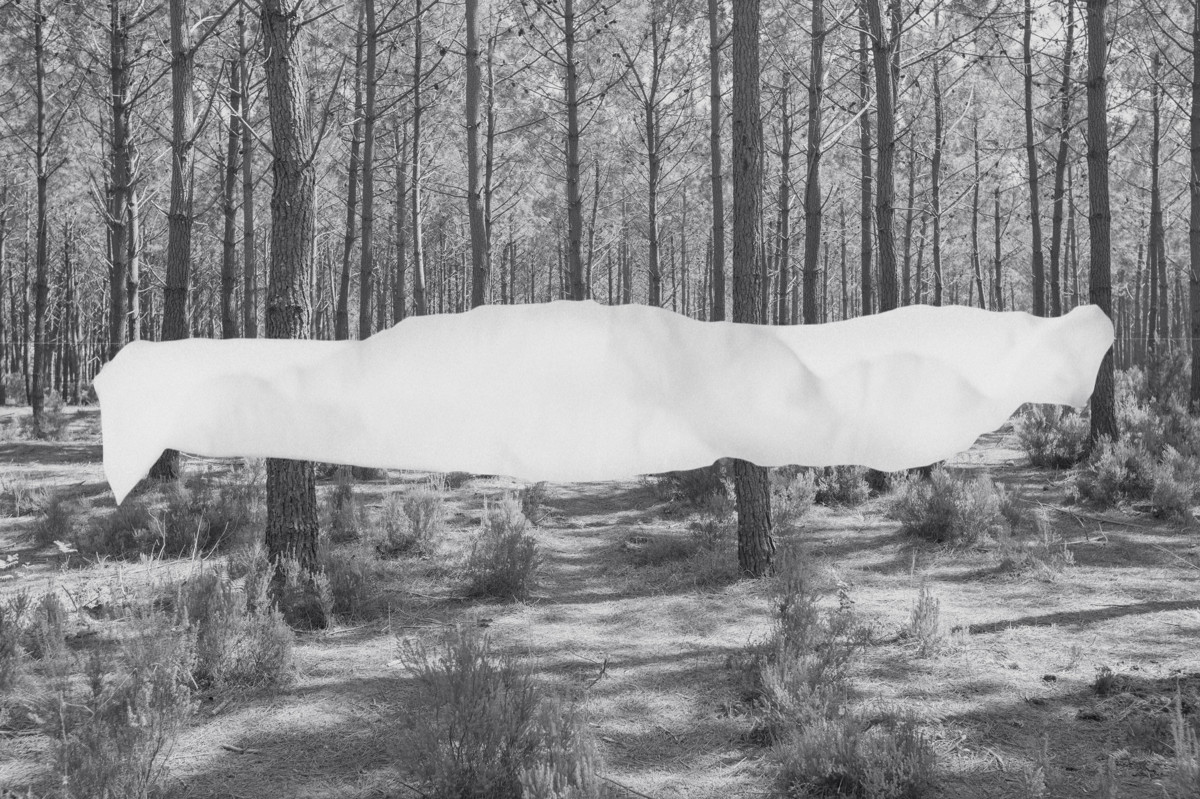
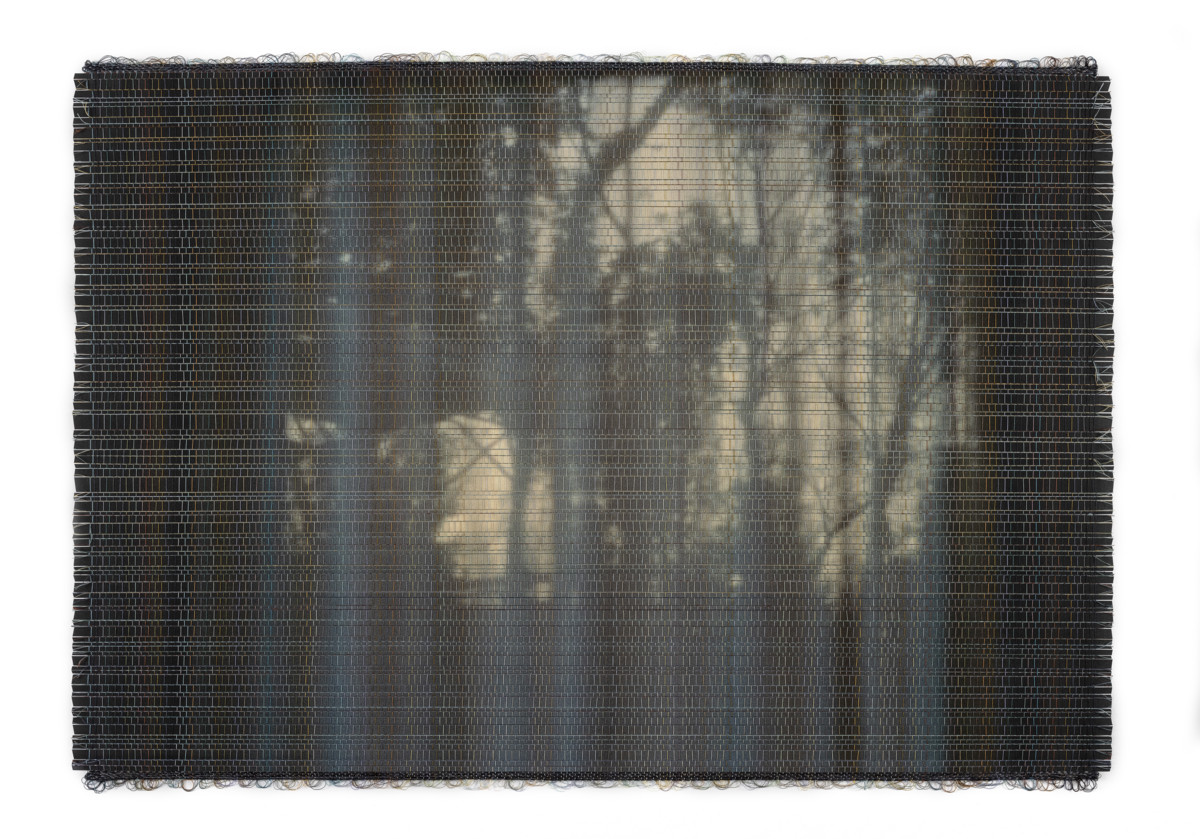
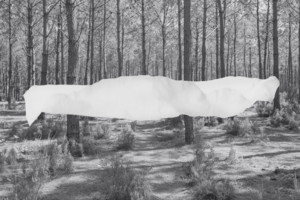
Charlotte Mano (France) seeks to preserve the memory of the places of her childhood. In the series Linceul (Shroud), the sheet, both fragile and ghostly, becomes the imprint of an absent body, a silent trace that endures even as landscapes and memories appear to fade. This inquiry resonates with the work of Susanne Wellm (Denmark), for whom the landscape becomes a sensitive archive of time. Her images, gathered through various channels and then rewoven, reveal beneath the visible surface the traces of a world in transformation, where memory and absence converse within the same material substance.
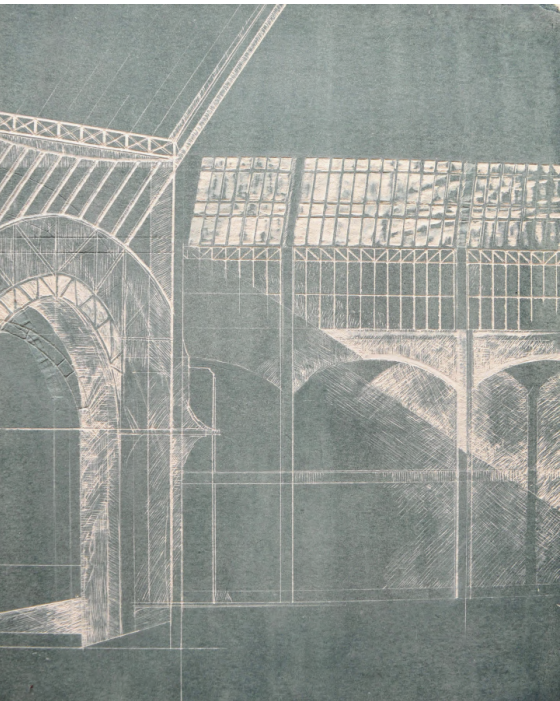
Jean-Baptiste Brueder (Belgium), meanwhile, establishes a dialogue with matter itself. Through repeated acts of engraving, alteration, and assemblage, he evokes multiple temporalities through successive layers. The surfaces retain the marks of the creative process and become archives of gestures that are no longer visible. This concept is shared by Wesley Stringer (USA), who treats photography as a material to be manipulated. Through cutting, interweaving, and recomposition, he alters the integrity of the image and reveals its physical dimension.
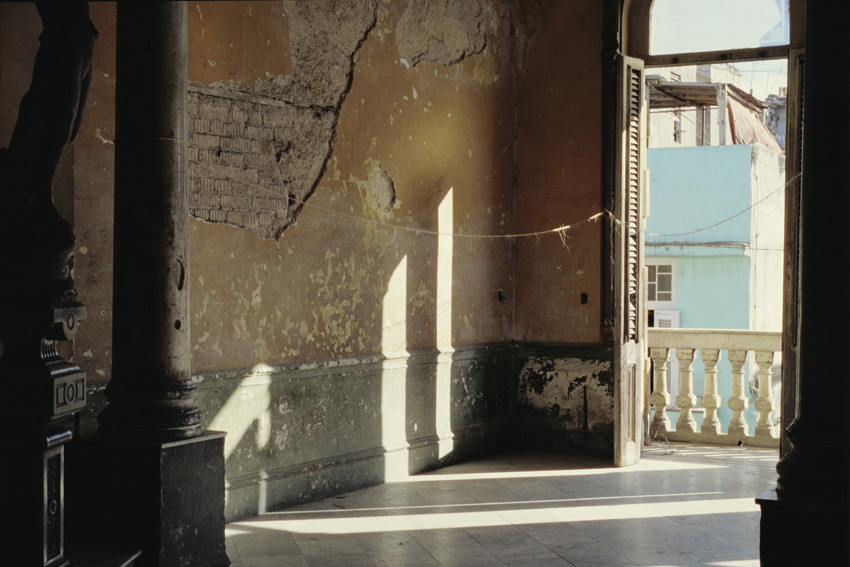
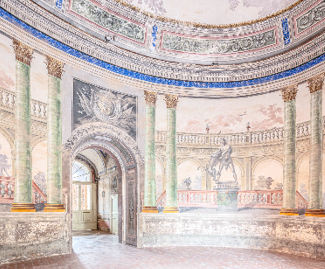
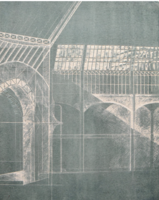
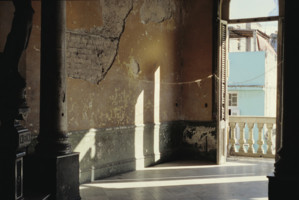
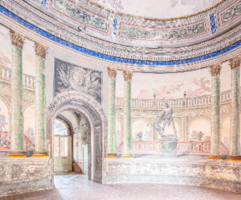
By enhancing their photographs, Antoni Taulé (France) and Patrizia Mussa (Italy) explore what remains once presence has withdrawn. In Taulé’s work, light reveals suspended spaces, like the vestiges of an immaterial memory. In Mussa’s work, architecture and objects become silent witnesses to vanished stories, where every detail seems to preserve the trace of a use, a passage, a life once lived.
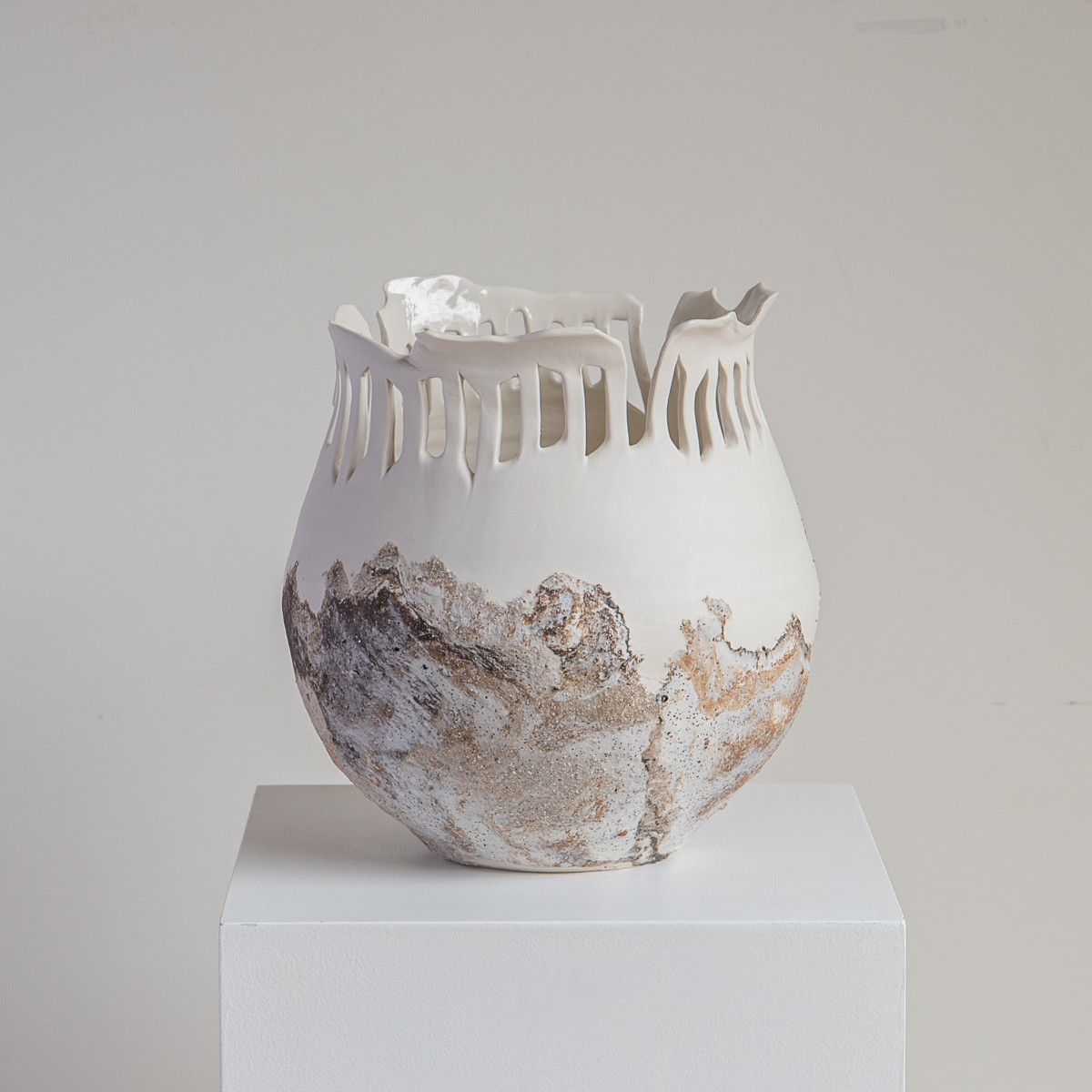
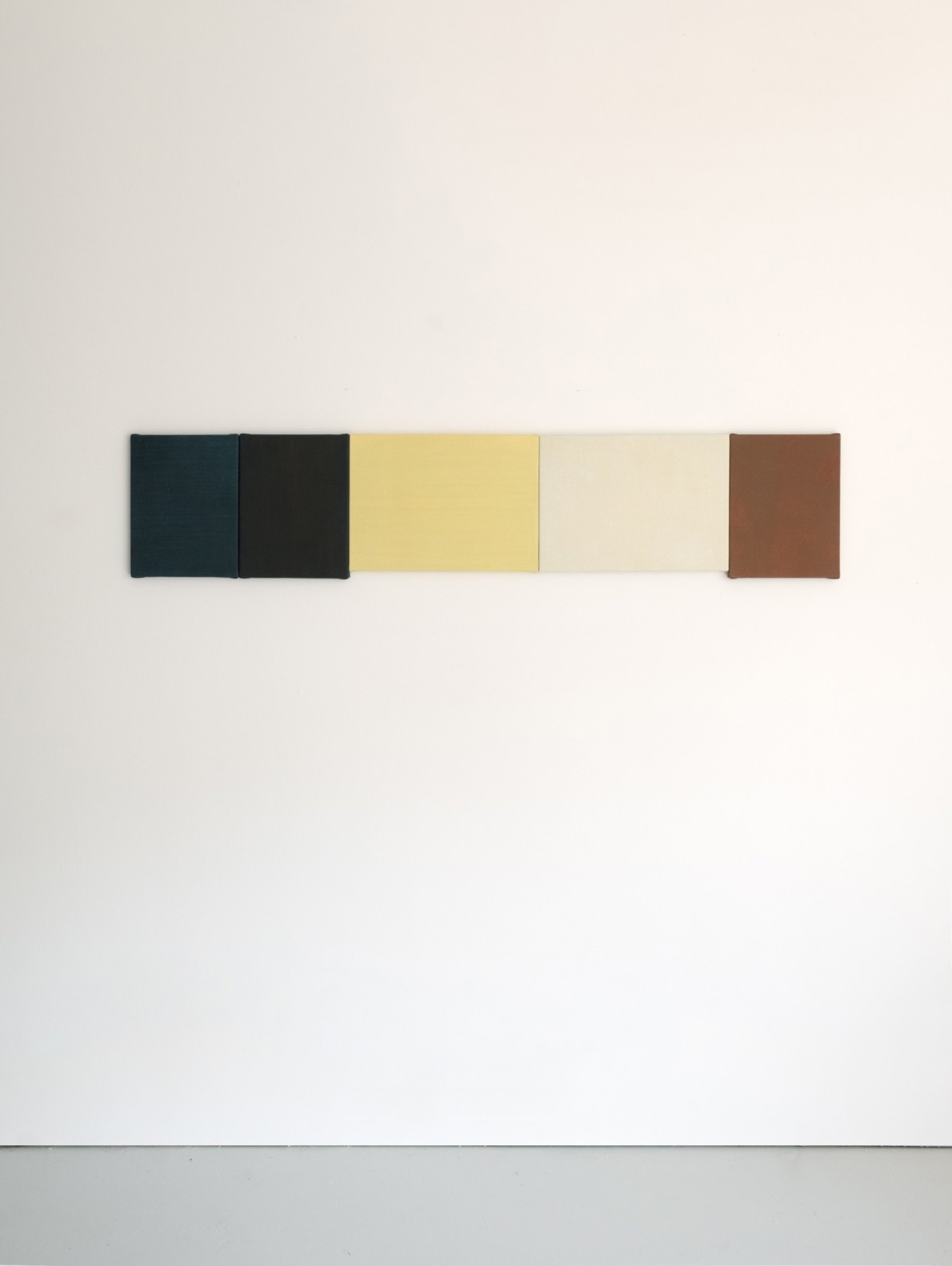
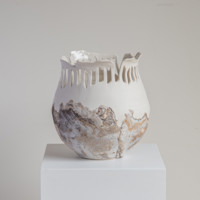
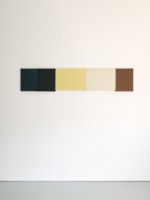
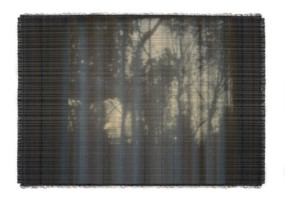
Time does not disappear in the work of Sophie Zénon (France); it settles in layers and gradually sediments. Her series Fugace (Fleeting) questions what remains of a place or a presence, while photography no longer seeks to restore a frozen moment. Instead, it reveals forms of persistence, as fragile as they are ephemeral, that continue to inhabit the present. This approach is shared by painter Anne Commet (France) and ceramic artist Audrey Schaditzki (France), whose works are built through superimposition.
Each layer preserves the imprint of a previous gesture, a memory of matter transformed by the passage of time. Whether rooted in photography, painting, sculpture, or textile practices, these artists engage with a common question: how do a gesture, a material, or a presence continue to exist beyond their initial appearance?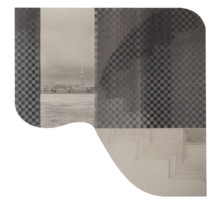
-
媒体报道